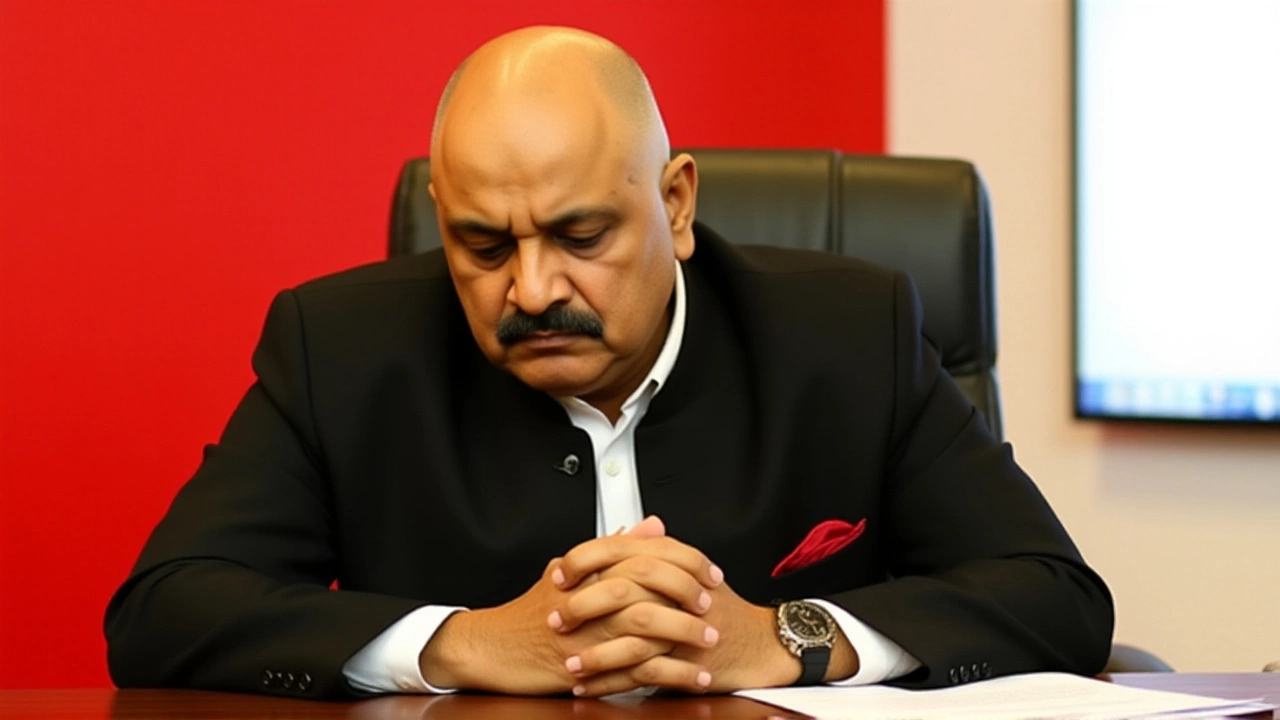
It’s rare for a central investigative agency to keep its top boss for four years without a hitch. But that’s exactly what happened on 13 May 2026, when the Government of India extended the tenure of Praveen Sood, Director of the Central Bureau of Investigation by another year. The decision, approved by the Appointments Committee of the Cabinet (ACC), keeps Sood at the helm until May 2027. It’s his second consecutive one-year extension, pushing his total time in charge to nearly four years since he took over in 2023.
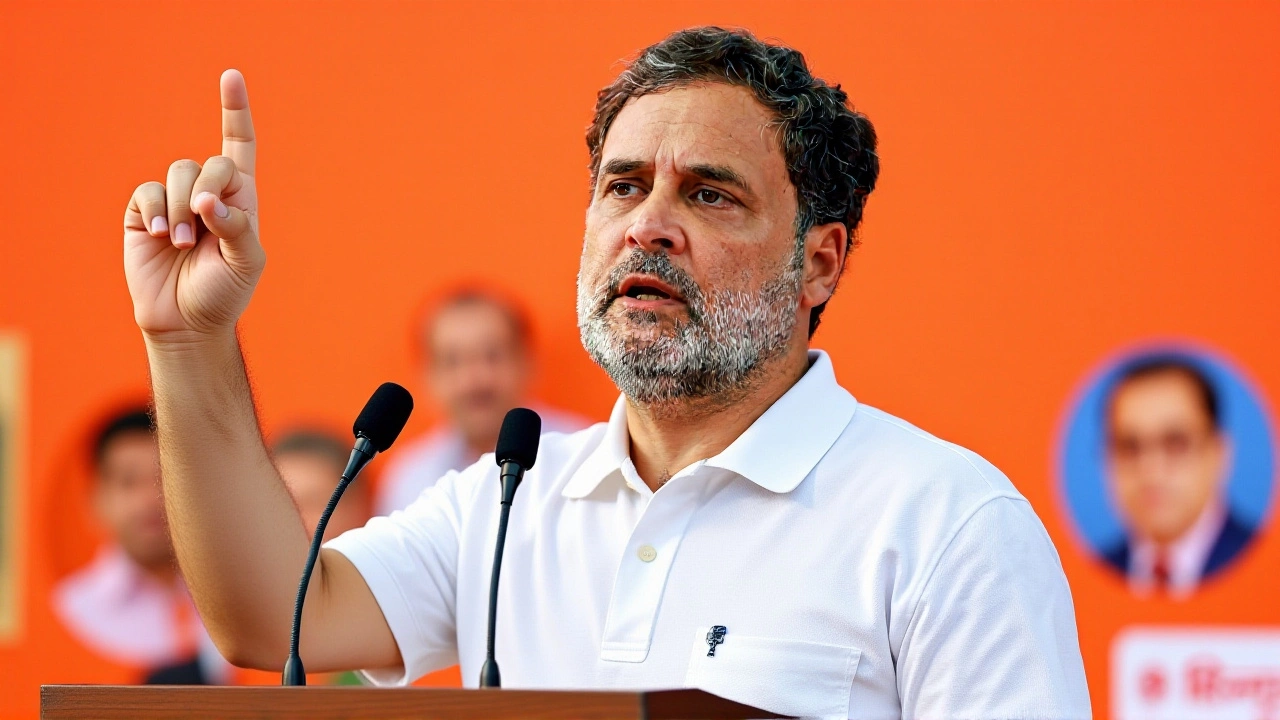
Here’s the thing: this wasn’t a smooth ride. While the government praised Sood’s "clean record," the process sparked a dramatic walkout by Rahul Gandhi, Leader of Opposition in the Lok Sabha. Gandhi filed a dissenting note and left the selection committee meeting, signaling deep concerns about how these high-stakes appointments are being handled.
The Decision Behind Closed Doors
The extension was formalized through an order from the Ministry of Personnel, Public Grievances and Pensions. But the real drama unfolded days earlier during the deliberations of the high-powered selection committee. This body, designed to ensure checks and balances, includes the Prime Minister, the Chief Justice of India, and the Leader of Opposition.
Turns out, the committee reviewed a list of eligible officers before settling on Sood again. Reports indicate they favored him due to his "absence of controversies" while leading the premier central agency. In a system often plagued by political tug-of-wars, stability is usually sold as a virtue. The argument here was simple: why fix what isn’t broken?
But wait—stability didn’t come cheap politically. Rahul Gandhi reportedly walked out after realizing the outcome wouldn’t align with his objections. He issued a formal dissenting note, arguing that the procedure itself was flawed. This isn’t just procedural nitpicking; it’s a signal flare for opposition parties worried about the independence of investigative agencies.
A Career Built in Karnataka
To understand why Sood might be seen as a safe pair of hands, you have to look at his background. An Indian Police Service (IPS) officer of the 1986 batch from the Karnataka cadre, Sood has spent decades navigating complex law enforcement landscapes. Before becoming CBI Director, he served as the Director General of Police (DGP) for Karnataka State Police.
He also held key urban policing roles, serving as Police Commissioner of both Bengaluru and Mysuru. These positions require managing massive metropolitan forces, dealing with everything from cybercrime to civil unrest. His experience in these high-pressure environments likely contributed to the committee’s confidence in his ability to manage the CBI’s sprawling operations.
Interestingly, Sood’s life extends beyond the force. He’s the father-in-law of cricketer Mayank Agarwal, a connection that occasionally draws public attention but hasn’t impacted his professional standing. More recently, in September 2025, he faced a health scare after visiting Srisailam in Telangana, requiring hospitalization. He recovered quickly, returning to duty without missing much time.
Why This Matters Now
The CBI isn’t just another police department. It’s India’s premier federal investigative agency, handling cases that cross state lines or involve high-profile officials. When the director changes frequently, investigations can stall, witnesses get cold feet, and cases drag on for years. Continuity matters.
By extending Sood’s term, the government is betting on consistency. Since taking office on 25 May 2023, Sood has overseen several high-profile probes. Critics argue that long tenures can lead to complacency or undue influence. Supporters counter that frequent leadership changes disrupt momentum. The truth probably lies somewhere in between.
What’s clear is that the opposition sees this extension as part of a broader pattern. If the Leader of Opposition feels sidelined in such a critical appointment, it raises questions about the balance of power within the selection committee. Is the role of the opposition merely ceremonial? Or does their dissent carry weight?
Looking Ahead: What Comes Next?
With Sood staying put until May 2027, the immediate focus shifts to ongoing investigations. There are no plans announced for mid-term reviews or performance audits specific to this extension. The ACC’s approval means the administrative machinery will continue operating under his command without interruption.
However, the political fallout won’t disappear. Expect more debates in Parliament about the composition and functioning of the selection committee. Will future extensions face similar protests? Could reforms be proposed to strengthen the opposition’s voice in these decisions? These are questions that will dominate political discourse in the coming months.
For now, the message from New Delhi is clear: stability wins. Whether that translates into better justice delivery remains to be seen. One thing is certain—the eyes of the nation will remain fixed on the CBI headquarters as Sood navigates his fourth year in charge.
Frequently Asked Questions
How long will Praveen Sood serve as CBI Director?
Praveen Sood’s tenure has been extended until May 2027. Originally appointed for two years in May 2023, he received a one-year extension in May 2025, followed by this second one-year extension approved on 13 May 2026. This brings his total potential service period to approximately four years.
Who makes the decision to extend the CBI Director's tenure?
The decision is made by a high-powered selection committee comprising the Prime Minister, the Chief Justice of India, and the Leader of Opposition in the Lok Sabha. Their recommendation is then formally approved by the Appointments Committee of the Cabinet (ACC) within the Government of India.
Why did Rahul Gandhi object to the extension?
Rahul Gandhi, as the Leader of Opposition, expressed disagreement with the procedure used by the selection committee. He filed a dissenting note and walked out of the meeting, citing concerns about the fairness and transparency of the process rather than necessarily opposing Sood personally.
What was Praveen Sood's role before joining the CBI?
Before becoming CBI Director, Sood served as the Director General of Police (DGP) for Karnataka State Police. He also held significant urban policing roles, including Police Commissioner of Bengaluru and Mysuru, giving him extensive experience in managing large-scale law enforcement operations.
Is this the first time a CBI Director has received multiple extensions?
While not unprecedented, consecutive extensions are relatively uncommon. Typically, directors serve a fixed two-year term. Extensions are granted based on performance and need for continuity. Sood’s case is notable because it involves a second back-to-back extension, totaling four years, which is longer than the standard initial appointment.